Whole30 recipes
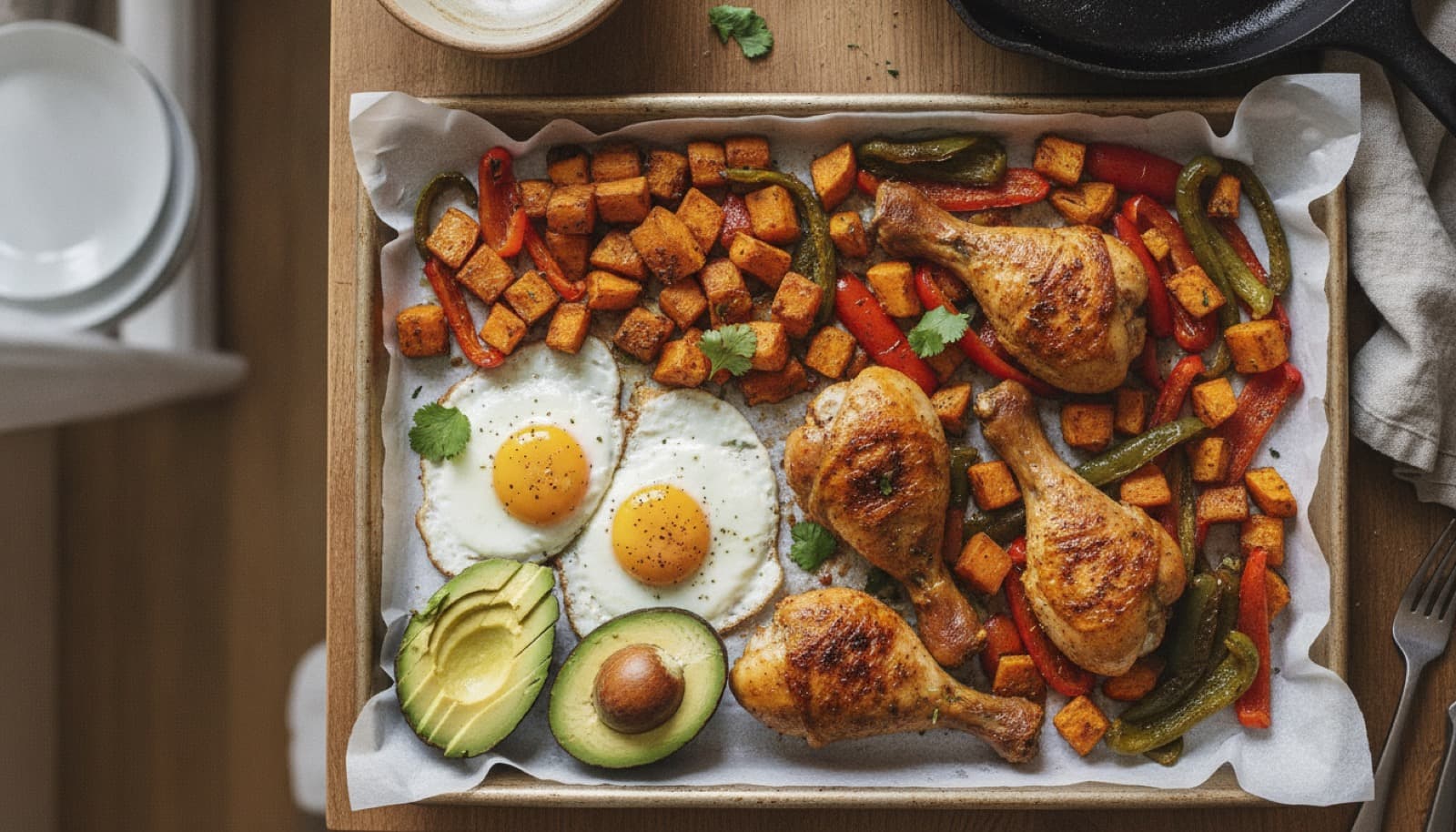
By The ThatCleanChef Kitchen · Updated June 28, 2026 · 14 min read
Whole30 is 30 days with no sugar, grains, dairy, legumes, or alcohol, a structured elimination, not a forever diet. Here's what's actually allowed, the rules that trip people up, and the chef-tested compliant recipes that make it survivable. Start with the Whole30 breakfast hash and the Whole30 chili; the whole30 food list tells you exactly what's in and what's out before you shop.
We'd rather answer the question you actually asked in the first paragraph, then earn your trust by showing the chef notes.
What actually matters, in order.
- 01
What Whole30 is: a 30-day elimination, then reintroduction
Created by Melissa Urban, Whole30 removes added sugar, grains, dairy, legumes, alcohol, and most additives for 30 straight days, then reintroduces them one group at a time to see what your body actually reacts to. It is a diagnostic protocol, not a permanent diet, and not a weight-loss program. The reintroduction is the point; skipping it wastes the 30 days.
- 02
What's in: meat, seafood, eggs, vegetables, fruit, natural fats
Real, unprocessed food. All meat and seafood, eggs, every vegetable, fruit in moderation, nuts and seeds (except peanuts, a legume), and natural fats like olive oil, avocado, ghee, and coconut. This is the base of the Whole30 breakfast hash and the bean-free Whole30 chili.
- 03
What's out: sugar, grains, dairy, legumes, alcohol
No added sugar (real or artificial), no grains (including corn and rice), no dairy, no legumes (beans, peanuts, soy), no alcohol, no carrageenan or sulfites. The whole30 food list page lays this out in full so you're not reading every label in the aisle.
- 04
The rules that trip everyone up
No 'Paleo-fying' baked goods, no stepping on the scale, no recreating junk food with compliant ingredients. The intent is to break the habit, not just swap the ingredient. Honey and maple syrup are out (they're added sugar). White potatoes are in. Green beans and sugar snap peas are in (the edible-pod exception).
- 05
Breakfast is the hardest meal, solve it first
No cereal, no toast, no yogurt, no pancakes. The Whole30 breakfast hash, sweet potato, sausage, peppers, eggs, is the recipe that makes the first week survivable. Batch the sweet potato and sausage Sunday and breakfast becomes assembly.
- 06
Dinner is easy once you stop reaching for grains
The Whole30 chili (no beans, no sugar, browned beef and a real chile base) is the one-pot anchor. Sheet-pan proteins and roasted vegetables carry the rest of the week. Most of our anti-inflammatory and Mediterranean recipes are compliant or one swap away, check the tags.
- 07
Where to start
Read the whole30 food list, clear the kitchen of the obvious traps, and plan breakfast and dinner for the first three days before day one. Cook the breakfast hash and the chili in week one. Plan the reintroduction now so you don't drift off at day 31.
The questions cooks bring us.
- What can you actually eat on Whole30?
- Meat, seafood, eggs, all vegetables, fruit in moderation, nuts and seeds (not peanuts), and natural fats like olive oil, avocado, ghee, and coconut. What's out: added sugar of any kind, grains, dairy, legumes, alcohol, and most additives. Our whole30 food list breaks the in-and-out lists down aisle by aisle so you can shop without reading every label.
- Is Whole30 a weight-loss diet?
- No, and the program is explicit about that, it even tells you not to weigh yourself for the 30 days. Whole30 is an elimination protocol designed to identify which foods affect how you feel, look, and perform, via a structured reintroduction. Some people lose weight as a side effect of cutting added sugar and alcohol, but that's not the goal and it's not the point.
- Why are beans and peanuts not allowed?
- Legumes (including peanuts, soy, and all beans) are eliminated because of their lectin and phytate content and because they're a common source of digestive complaints the program is trying to test for. Green beans, sugar snap peas, and snow peas are the exception, they're allowed because you eat the whole pod. It's a 30-day test, not a permanent verdict on legumes.
- What's the hardest part of Whole30?
- Breakfast and the first five days. Most people's breakfast is built on grains or dairy (cereal, toast, yogurt), all of which are out, so you have to rebuild the meal around eggs, vegetables, and protein. The Whole30 breakfast hash solves this. The other hard part is social, restaurants and other people's kitchens, so plan to cook at home for the first week or two.
- How is Whole30 different from paleo?
- They overlap a lot, both cut grains, legumes, and refined sugar. Whole30 is stricter and time-boxed: it also removes all added sugar (even natural sweeteners like honey and maple), all alcohol, and most additives, and it bans 'Paleo-fied' treats. Paleo allows honey, maple, and Paleo baked goods; Whole30 doesn't, and it's only 30 days followed by structured reintroduction.
Where the technique comes from
About the ThatCleanChef Kitchen
A small team of recipe developers and food photographers testing recipes in home kitchens on home equipment. Every Nutrition Ledger is USDA FoodData Central-sourced and reviewed by Lena Marsh, RDN, MS. We don't pretend to be a single chef, we're the people behind the plates. Meet the full team →
Related posts
Magnesium-Rich Foods: Pumpkin Seeds Beat Spinach, and Bread Lost Most of Its
An ounce of pumpkin seeds carries about 156mg of magnesium, which is more than a cup of cooked spinach and roughly five times what a banana delivers. Around half of adults in national survey data take in less than the estimated requirement, and the largest single reason is grain refining, which strips about eighty percent of the magnesium out of wheat before it reaches a loaf.
Potassium-Rich Foods: The Banana Is Not Even in the Top Twenty
A medium banana has 422mg of potassium. A baked potato with the skin on has around 900mg, a cup of white beans about 1,000mg, and a cup of cooked spinach about 840mg. The banana became the symbol because it is portable, not because it is dense. What the number on the plate actually depends on is portion size, whether you cooked it in water, and how much sodium is sitting next to it.
Vegetarian Recipes: Protein, Browning, and Actual Dinners
Vegetarian cooking almost never fails for lack of ideas. It fails on two things: not enough protein on the plate, and not enough browning in the pan. Fix those and a meatless dinner stops reading as the version without the main thing. Where the protein comes from, the four nutrients worth attention, the techniques that make plants taste cooked-for, and a week of dinners.
The Clean Chef Starter Kit.
A 14-day anti-inflammatory meal plan PDF, grocery list by section, macros totaled per day, Sunday prep sequence. Free.
By subscribing, you agree to our Privacy Policy. One calm email a week. Unsubscribe anytime.