Vegan recipes
By The ThatCleanChef Kitchen · Updated June 29, 2026 · 12 min read
What vegan eating covers, how to handle protein and the two nutrients to watch, and plant recipes that taste cooked-for, not compromised. Pillar for the Vegan hub.
We'd rather answer the question you actually asked in the first paragraph, then earn your trust by showing the chef notes.
What actually matters, in order.
- 01
Legumes, the protein engine
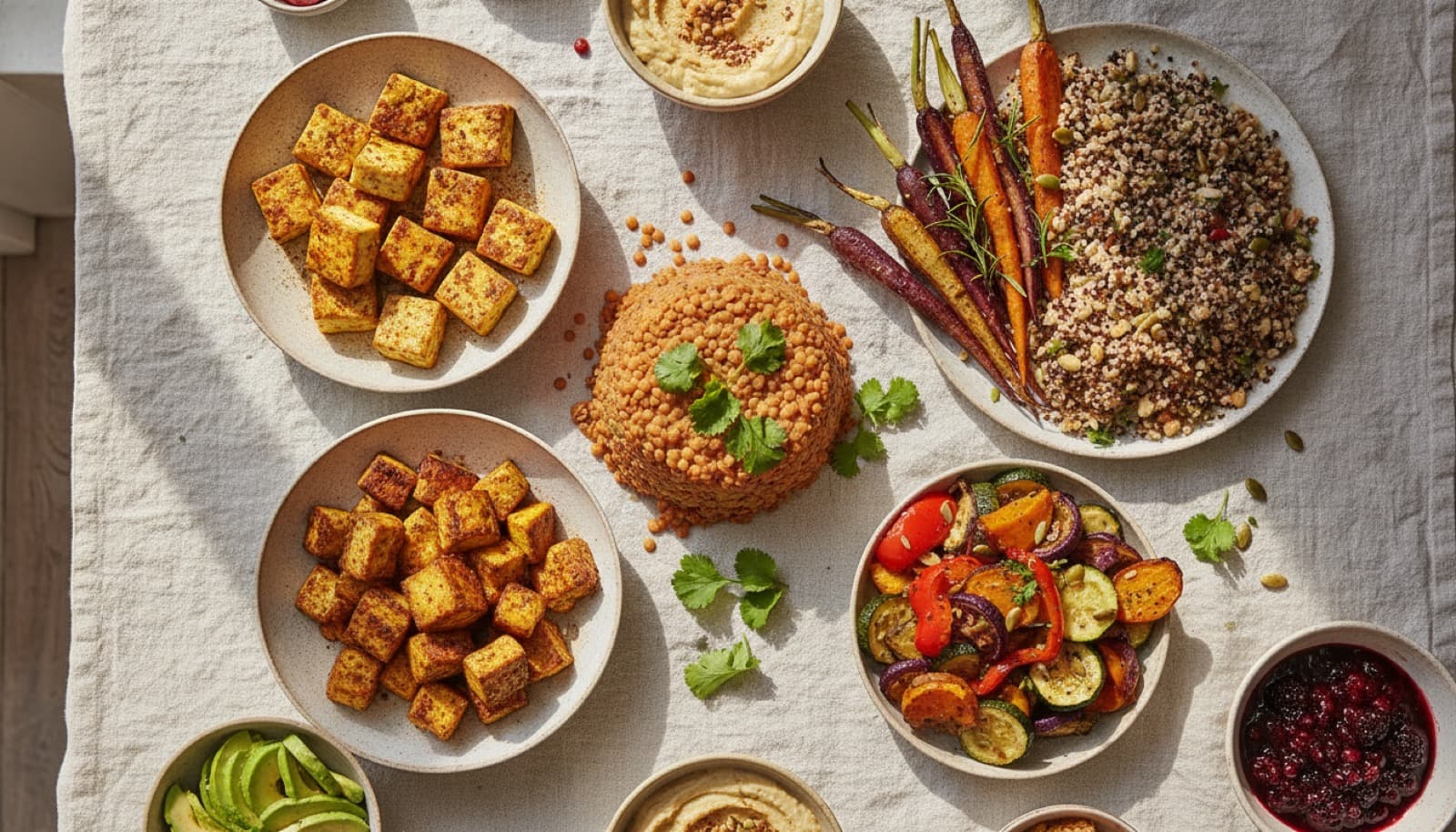
Lentils, chickpeas, black beans, edamame. Cheap, filling, high in protein and fiber. Canned for speed (drain and rinse), dried and batch-cooked for flavor and economy. Two or three legume meals a week is the backbone.
- 02
Tofu and tempeh, browned with intent
Press firm tofu, brown it hard in a hot pan, then sauce it; soft pale tofu is where vegan food gets its bad name. Tempeh is nuttier and higher in protein. Both take on whatever flavor you give them.
- 03
Whole grains and starches
Brown rice, quinoa, oats, farro, potatoes. The base of the bowl and a meaningful protein contributor (quinoa is a complete protein). Cook a batch at the weekend.
- 04
Vegetables and fruit, in volume and color
The bulk and the joy. Roast for sweetness and char, eat raw for crunch and acid. Frozen is fine and keeps the fridge honest.
- 05
Watch B12 and omega-3, always
Supplement B12 (or eat reliably fortified foods), and get omega-3 from ground flax, chia, walnuts, plus an algae oil if you want the EPA/DHA directly. This is the one rule a vegan diet cannot skip.
The questions cooks bring us.
- What is a vegan diet?
- Vegan eating excludes all animal products: meat, fish, dairy, eggs, and honey. Built well, it is one of the better-studied patterns for heart health. Built lazily, it is chips and pasta. The difference is whether you cook real plants or live on processed vegan substitutes. We cook the former.
- Where does the protein come from?
- Legumes (lentils, chickpeas, black beans, edamame), tofu and tempeh, seitan, and whole grains. A cup of cooked lentils is 18g protein; firm tofu is about 20g per 200g; edamame is 17g per cup. Stack two sources per meal and hitting 25-30g protein per plate is straightforward.
- Which nutrients do I have to watch on vegan?
- Two are non-negotiable: vitamin B12, which is not reliably available from plants and must be supplemented or come from fortified foods, and omega-3s (use ground flax, chia, walnuts, and consider an algae-based EPA/DHA supplement). Iron, zinc, calcium, and iodine are worth attention but manageable through food. This is the one place where supplements are not optional.
- Is vegan automatically healthy?
- No. Oreos are vegan. A whole-food vegan diet built on legumes, vegetables, whole grains, nuts, and fruit is excellent; one built on vegan junk food and refined carbs is not better than any other junk diet. The label tells you what is absent, not whether the food is good.
- How do I make plant food taste cooked-for, not sad?
- Salt properly, build acid in at the end, brown things hard (tofu, mushrooms, and cauliflower all need real heat and patience), and use umami: miso, soy, nutritional yeast, tomato paste, dried mushrooms. Most disappointing vegan food is under-seasoned and under-browned, not lacking meat.
- Where do I start?
- Cook one legume-based dinner you would happily eat regardless of diet, the lentil and sweet potato stew on this site is a good first one. Then learn to press and brown tofu. Keep B12 handled from day one. The food list and the tagged vegan recipes on this site give you a week without trying.
Where the technique comes from
About the ThatCleanChef Kitchen
A small team of recipe developers and food photographers testing recipes in home kitchens on home equipment. Every Nutrition Ledger is USDA FoodData Central-sourced and reviewed by Lena Marsh, RDN, MS. We don't pretend to be a single chef, we're the people behind the plates. Meet the full team →
Related posts
Magnesium-Rich Foods: Pumpkin Seeds Beat Spinach, and Bread Lost Most of Its
An ounce of pumpkin seeds carries about 156mg of magnesium, which is more than a cup of cooked spinach and roughly five times what a banana delivers. Around half of adults in national survey data take in less than the estimated requirement, and the largest single reason is grain refining, which strips about eighty percent of the magnesium out of wheat before it reaches a loaf.
Potassium-Rich Foods: The Banana Is Not Even in the Top Twenty
A medium banana has 422mg of potassium. A baked potato with the skin on has around 900mg, a cup of white beans about 1,000mg, and a cup of cooked spinach about 840mg. The banana became the symbol because it is portable, not because it is dense. What the number on the plate actually depends on is portion size, whether you cooked it in water, and how much sodium is sitting next to it.
Vegetarian Recipes: Protein, Browning, and Actual Dinners
Vegetarian cooking almost never fails for lack of ideas. It fails on two things: not enough protein on the plate, and not enough browning in the pan. Fix those and a meatless dinner stops reading as the version without the main thing. Where the protein comes from, the four nutrients worth attention, the techniques that make plants taste cooked-for, and a week of dinners.
The Clean Chef Starter Kit.
A 14-day anti-inflammatory meal plan PDF, grocery list by section, macros totaled per day, Sunday prep sequence. Free.
By subscribing, you agree to our Privacy Policy. One calm email a week. Unsubscribe anytime.