Gluten-free recipes
By The ThatCleanChef Kitchen · Updated June 29, 2026 · 12 min read
What gluten-free actually requires, the foods that are naturally safe, where gluten hides, and the recipes on this site that are built that way. Pillar for the Gluten-Free hub.
We'd rather answer the question you actually asked in the first paragraph, then earn your trust by showing the chef notes.
What actually matters, in order.
- 01
Naturally safe whole foods
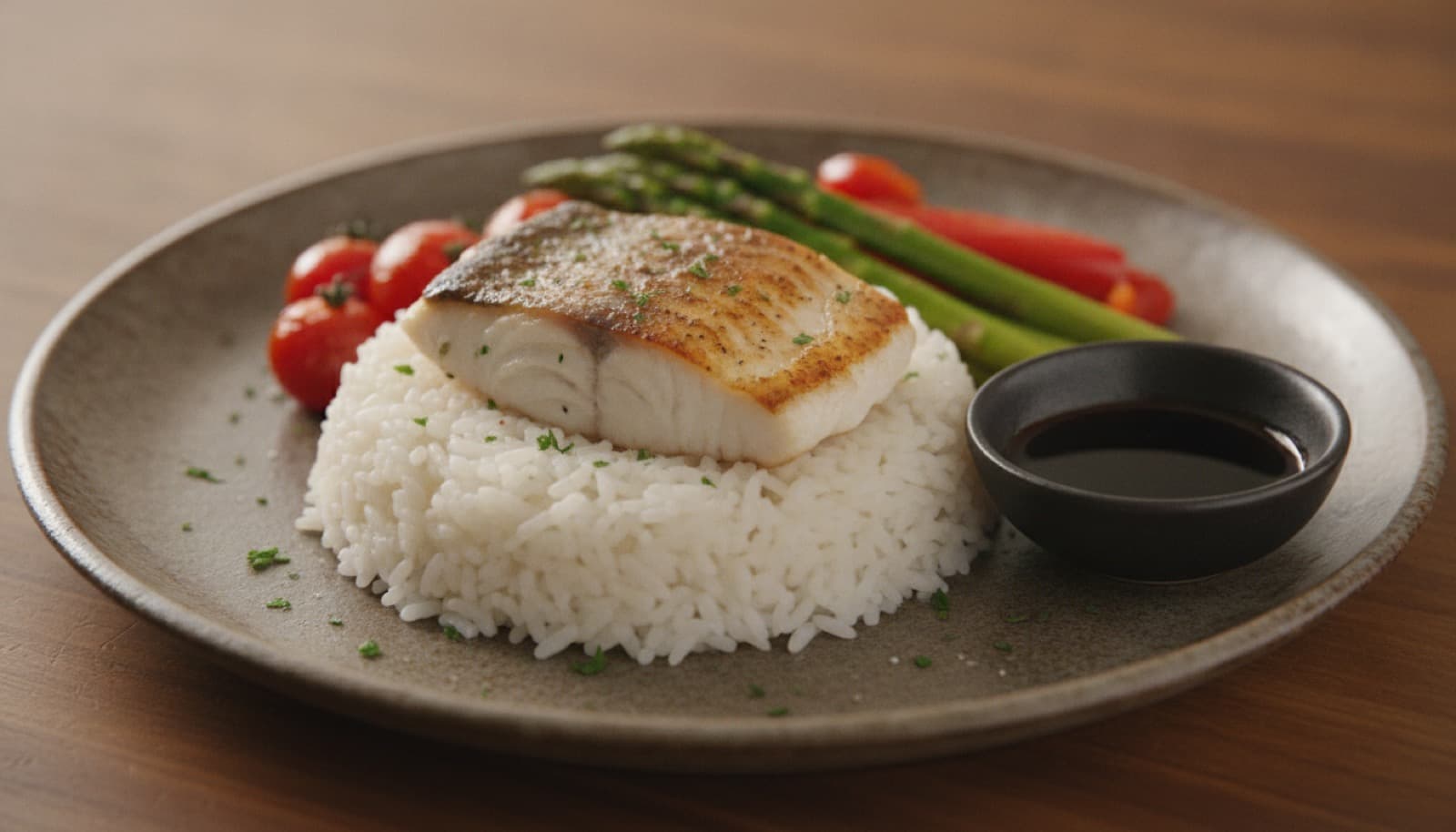
Meat, fish, eggs, dairy, fruit, vegetables, beans, nuts, seeds. None contain gluten. Build meals from these and gluten-free is the default, not a project.
- 02
Gluten-free grains and starches
Rice, quinoa, buckwheat, corn, millet, potatoes, and certified gluten-free oats. These cover the carbohydrate slot that bread and pasta usually fill. Quinoa doubles as a protein source.
- 03
Swap soy sauce for tamari
Standard soy sauce contains wheat. Tamari is the gluten-free version and tastes almost identical. This single swap makes most stir-fries and Asian-leaning bowls safe.
- 04
Check the quiet sources once
Stock cubes, gravy, malt vinegar, spice blends, processed meats, and beer are the common hidden offenders. Read the label once per product and you build a safe shelf you can trust.
- 05
Favor whole food over processed gluten-free
Packaged gluten-free breads and snacks are often high in sugar and starch and low in fiber. A plate of rice, vegetables, and protein beats a gluten-free pastry every time.
The questions cooks bring us.
- What does gluten-free actually mean?
- Gluten is a protein in wheat, barley, and rye. Gluten-free means none of those three, including their derivatives (malt from barley, most soy sauce, many thickeners). For someone with celiac disease it is medical and absolute, down to cross-contamination. For others it is a choice. We build recipes that are naturally gluten-free, not wheat dishes with a substitute flour bolted on.
- What can I eat that is naturally gluten-free?
- A huge amount: all meat, fish, eggs, dairy, fruit, vegetables, beans, nuts, and the naturally gluten-free grains (rice, quinoa, oats labelled gluten-free, buckwheat, corn, millet). Most of the cooking on this site, the bowls, salads, sheet-pan dinners, and soups, is already gluten-free without trying.
- Where does gluten hide?
- In the places you would not check: soy sauce (use tamari), most stock cubes and gravy, malt vinegar, many spice blends and seasoning mixes, oats (cross-contaminated unless certified), beer, soups thickened with flour, and processed meats. The label habit matters more than the obvious bread-and-pasta swaps.
- Is gluten-free healthier?
- Only if you medically need it. For people with celiac or diagnosed non-celiac gluten sensitivity, it is essential. For everyone else, there is no evidence that removing gluten improves health, and packaged gluten-free products are often higher in sugar and lower in fiber than what they replace. Eat naturally gluten-free whole foods rather than processed gluten-free products.
- Do I need certified gluten-free oats?
- If you have celiac, yes, standard oats are routinely cross-contaminated with wheat in the field and the mill. Buy oats labelled certified gluten-free. If you are gluten-free by preference and not coeliac, standard oats are usually fine for you.
- Where do I start?
- You probably already cook gluten-free more than you think. Swap soy sauce for tamari, check your stock and spice blends once, and lean on the rice, quinoa, and potato bases instead of pasta and bread. Every recipe on this site tagged Gluten-Free is built to be safe as written.
Where the technique comes from
About the ThatCleanChef Kitchen
A small team of recipe developers and food photographers testing recipes in home kitchens on home equipment. Every Nutrition Ledger is USDA FoodData Central-sourced and reviewed by Lena Marsh, RDN, MS. We don't pretend to be a single chef, we're the people behind the plates. Meet the full team →
Related posts
Magnesium-Rich Foods: Pumpkin Seeds Beat Spinach, and Bread Lost Most of Its
An ounce of pumpkin seeds carries about 156mg of magnesium, which is more than a cup of cooked spinach and roughly five times what a banana delivers. Around half of adults in national survey data take in less than the estimated requirement, and the largest single reason is grain refining, which strips about eighty percent of the magnesium out of wheat before it reaches a loaf.
Potassium-Rich Foods: The Banana Is Not Even in the Top Twenty
A medium banana has 422mg of potassium. A baked potato with the skin on has around 900mg, a cup of white beans about 1,000mg, and a cup of cooked spinach about 840mg. The banana became the symbol because it is portable, not because it is dense. What the number on the plate actually depends on is portion size, whether you cooked it in water, and how much sodium is sitting next to it.
Vegetarian Recipes: Protein, Browning, and Actual Dinners
Vegetarian cooking almost never fails for lack of ideas. It fails on two things: not enough protein on the plate, and not enough browning in the pan. Fix those and a meatless dinner stops reading as the version without the main thing. Where the protein comes from, the four nutrients worth attention, the techniques that make plants taste cooked-for, and a week of dinners.
The Clean Chef Starter Kit.
A 14-day anti-inflammatory meal plan PDF, grocery list by section, macros totaled per day, Sunday prep sequence. Free.
By subscribing, you agree to our Privacy Policy. One calm email a week. Unsubscribe anytime.